
Osteoarthritis and Weight Loss
Osteoarthritis (OA) is the most common type of arthritis. It is a degenerative joint disease affecting millions of people worldwide. OA is a disease of the entire joint, including cartilage, joint lining, ligaments, and bone. OA occurs when the protective cartilage in the joints breaks down over time. Although OA can damage any joint, the condition most commonly affects joints in the hands, knees, hips and spine. (John Hopkins Arthritis Center)
Knee Osteoarthritis
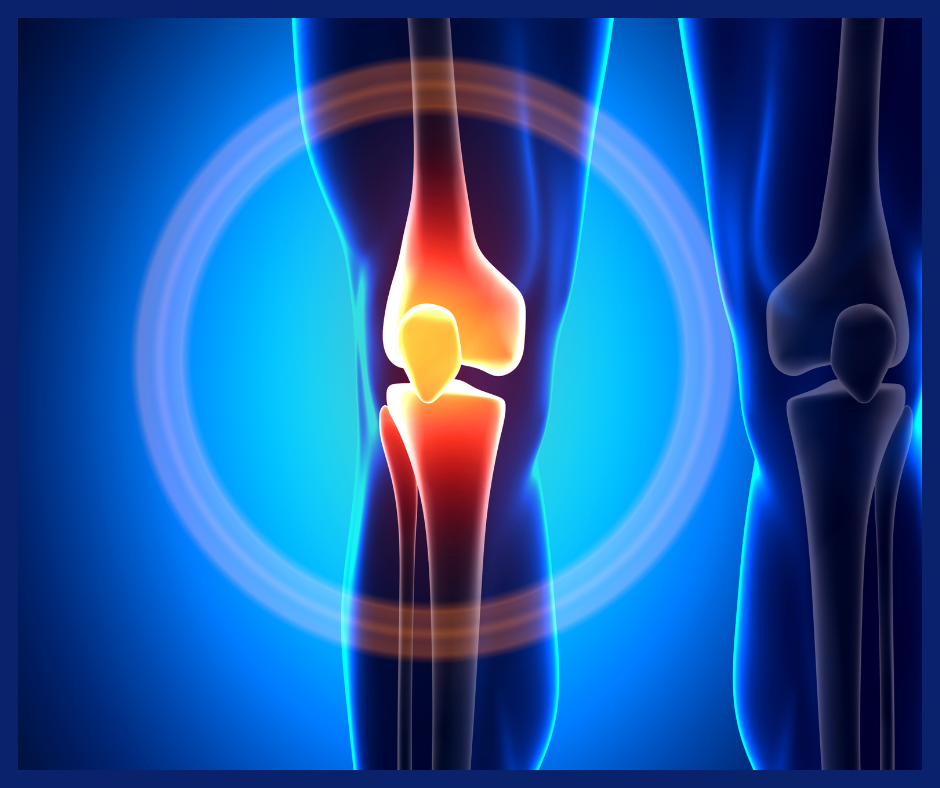
OA of the knee occurs when the cartilage in the knee joints breaks down. Normally, joints are protected by cartilage, which is strong, flexible connective tissue. Cartilage absorbs shock, reduces friction, and acts as a lubricant for smooth and safe movement of bones in the joints. OA is often a result of gradual wear and tear of the knee joints. It causes cartilage to break down. Once cartilage starts to break down, it cannot grow back.
Knees take a lot of stress and load from the body over our lifetimes making OA common in the knees. The breakdown of cartilage in the knees causes the bones to rub together creating friction. This can lead to pain, stiffness, and reduced or loss of mobility.
Risk factors such as knee injuries, frequent stress on the knees at a workplace, genetics, or being overweight can contribute to developing knee OA.
How Body Weight Affects Knee OA
While OA can affect any joint, the load-bearing joints of our knees are commonly affected, especially when a person is overweight or obese.
Knees support body movement, stability, and balance. They support the weight of our bodies every time we move, stand, sit, or walk. our knees are load-bearing joints, meaning the amount of impact felt in the knees is greater than the amount of weight placed on them. Every pound of body weight is estimated to place 4 to 6 pounds of pressure on each knee joint. (American Academy of Orthopaedic Surgeons) Walking on an incline, going up stairs, or squatting causes additional pounds of pressure to be placed on our knees.
Being overweight increases the load placed on the knees. Extra weight on the body causes extra pressure on the joints. The more a person weighs, the more stressed and damaged their joints can become.
A rise in obesity rates is a direct attribute of the prevalence of OA. (Arthritis Foundation)

Living with OA – Management and Treatments
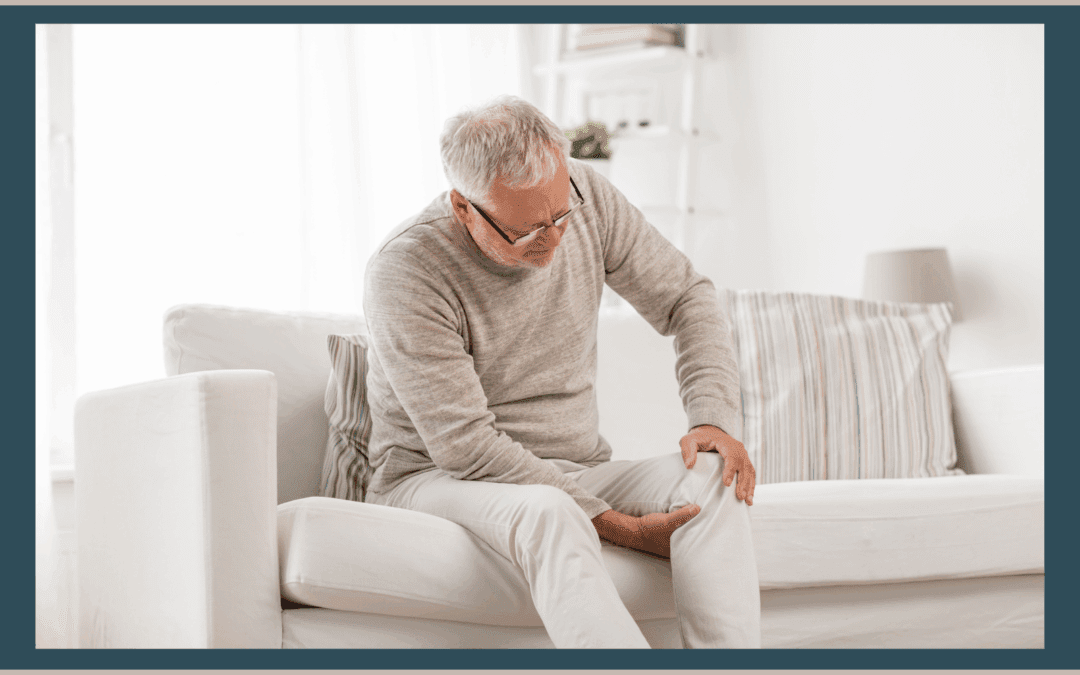
People living with knee OA can experience pain, tenderness, stiffness, swelling, and instability. This can affect daily life by limiting movement and other physical challenges such as increased risk of falling. Sleep and mood can be affected as well.
OA is a progressive, non-reversible disease. While there is no cure for OA, weight loss and medications can help manage symptoms and improve quality of life. Even modest weight loss can improve knee pain and function and potentially help slow the progression of OA. (The Journal of Rheumatology)
Knee OA and Weight Loss Clinical Trials
Drug manufacturers are investigating the impact of weight loss on quality of life in people with OA, Overweight and Obesity. With recent advances in therapies targeting weight loss, researchers are advancing new drugs through the approval process with the goal of helping people with OA better manage their pain and other symptoms.
Interested in learning more clinical trials at Qualmedica Research? Click here to redirect to our active studies page.